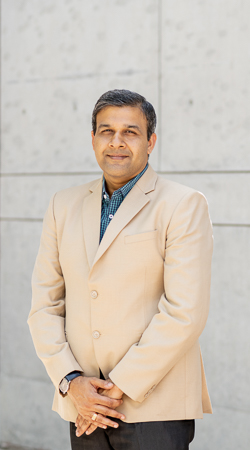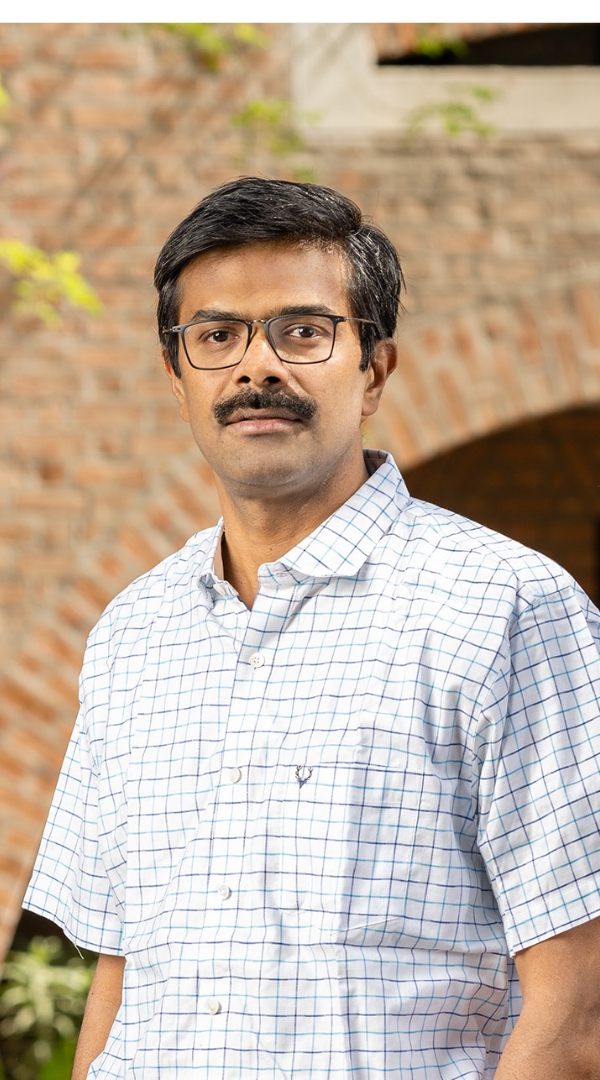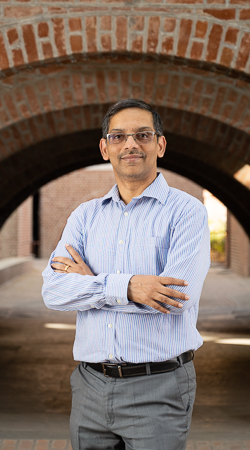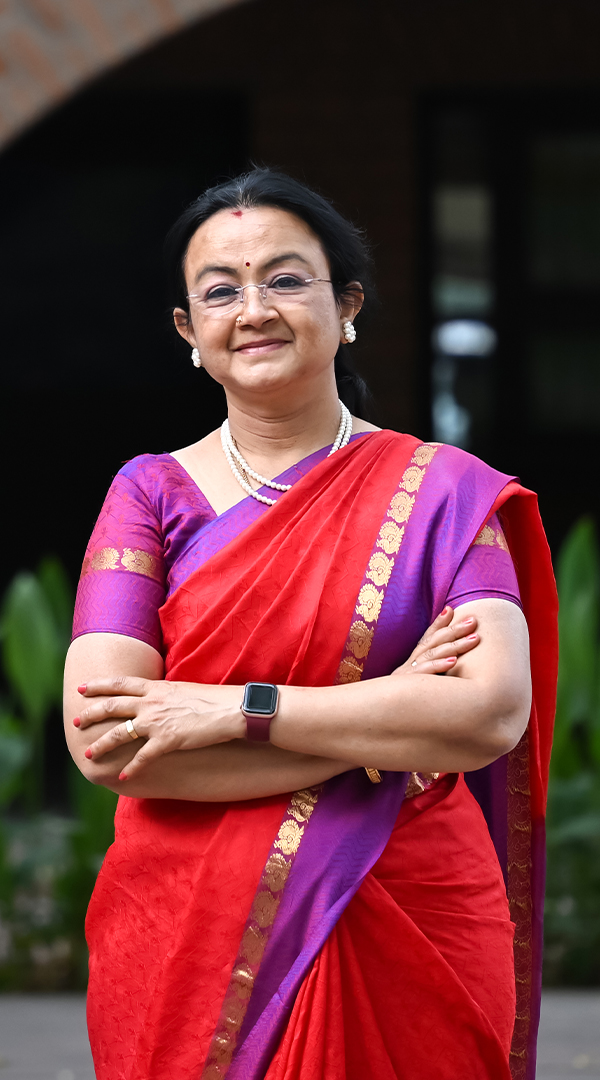

The Ashank Desai Centre for Leadership and Organisational Development aims to bring together faculty, students as well as governmental, non-governmental, and private organisations to conduct distinctive and high-quality leadership and organisational development research. The centre plans to drive research in various themes related to leadership development and offer training, and research and consulting services to leaders at various levels in Indian and multinational organisations. The centre aims to conduct research and knowledge development in the following broad areas.
1. Big Leadership Inquires
The project, tentatively titled "Shaping the Future of Leadership: A Scenario-Building Initiative," seeks to identify and address the most pressing questions unveiling the 'white spaces' in the realm of leadership practice.
It redefines the approach of leadership at a practitioner level, transcending the boundaries of industries and domains. We are embarking on a journey to develop an understanding of the challenges that leaders face. These scenarios are narratives about what might happen, aimed at broadening our perspectives on potential outcomes. In all, it represents a crucial step forward in the journey toward leadership excellence.
2. Wisdom Leadership Series
The Wisdom Leadership Series Project is an exciting and ambitious project which aligns perfectly with the centre’s mission to foster leadership excellence. The primary objective of the "Wisdom Leadership Series" is to initiate meaningful and insightful conversations with these industry veterans and aims to document their lives, leadership styles, ethos, philosophies, and experiences and expects everyone to benefit intellectually and personally from this program.
Knowledge is the greatest leveller of our times. Knowledge work is defined as anything where the acquisition and exploitation of knowledge is central for an organisation’s competitive advantage. The principal capital of knowledge workers is ‘information’. The constant efforts of knowledge workers are driving the organisations of today. Knowledge workers are everywhere – programmers, healthcare professionals, pharmacists, academics, scientists, engineers, lawyers, architects, consultants, management practitioners, business and financial operators, arts, design, entertainment and sports – and any other work where people ‘think for a living’.
Leadership is the process of influencing an individual or a group of individuals to achieve a common goal. The central task of management today is to blend powerful leadership with an empowered workforce, and providing them with clear goals and an open and participative culture. Professionals who work in knowledge organisations such as consulting firms have dual work-places. Internally, they have formal power. However, externally, for client work, they have expertise power. The process through which professionals exercise power in client settings and combine it with the expertise to create impact could be an exciting area of study.
The centre will aim to conduct research on this area in R&D organisations, technology firms, and consulting firms to understand how leaders develop power and influence and exercise power downwards and sideways.
Public sector undertakings (PSUs) contribute significantly to any country’s economic development as their services are aimed at its overall welfare. They also play an essential role in supporting other vital institutions and businesses of a nation. They differ significantly from private sector organisations. For example, private firms are owned by entrepreneurs/shareholders, but communities own public agencies. Further, public organisations face the vagaries of political forces more than the vagaries of market forces. The short and uncertain tenures of politicians make it difficult to bring about continuous, incremental changes in public enterprises. Public organisations are also noted to experience more turbulence, interruptions, and conflicts in their decision-making than private organisations. Formal rules, multi-layered hierarchies, information silos, lack of economic incentives, and divided political leadership at the top of public bureaucracies tend to stifle their innovation.
Under this theme, the centre will examine critical management issues that Indian public sector undertakings are faced with. Specifically, we aim to work on four research questions: (1) What are the topmost leadership challenges facing leaders of Indian public sector undertakings? (2) what critical leadership skills senior managers and leaders of Indian public sector undertakings need to be effective leaders/managers? (3) what are the top concerns or priorities of the human resource management function in Indian public sector undertakings? (4) what important factors attract and motivate individuals to work in Indian public sector undertakings?
There is a long and distinctive operating history of not-for-profit organisations in India. These organisations number many, cover almost the entire gamut of socio-economic and geographic issues within the country, and as a distinguishing mark, exhibit sharp differences of ideologies, approach and management styles amongst themselves. As a class of organisations, they thus present rich material for any sincere student of management. Recent years have also seen the emergence of many nonprofits integrating social missions with business orientations, organisations referred to as social enterprises.
There is little, however, by way of formal literature or exposure within the general management curricula which covers these organisations, their process of development and management practices in general. Of particular interest are those not-for-profits which started their journey way before or around the era of liberalisation (post 1991), an era which signified a critical point of departure for Indian society in general.
These organisations, then, constitute an interesting sub-class of organisations within the development sector, especially when it comes to the subject of organisational development or behaviour. From a management standpoint it is certainly worthwhile to ask: what can the study of these organisations add to the body of knowledge within leadership and Organisational Development (OD) as well as how these organisations can also learn from it? The centre aims to focus upon questions listed below which confront many such organisations with a noticeable regularity; or are soon likely to confront many others.
(1) Leadership: What the term leadership entails within the not-for-profit sector as well as social enterprises? Are there ways of looking at leadership outside of the conventional business management perspective? Also, what does scale mean in context of development? Is it really always desirable? Should an organisation scale or an idea/approach/practice be scalable through adaptation / mutation? Is the operative word really scale or replicability/adoption?
(2) OD and organisational effectiveness: How do leaders of not-for-profit and social enterprises cope with uncertain environments, ensuring strategy and execution in line with mission, maintaining consistency of vision and mission (why do visions/missions of such organisations change).
The objective of the centre is to engage in knowledge creation with respect to the leadership concerns in the social sector, including issues of designing and managing social sector organisations, financial sustenance concerns, governance issues, and developing and nurturing of human capabilities. At the same time, the centre aims to develop and embrace newer leadership capabilities, models, and frameworks, in addition to traditional models and frameworks, for addressing some of the most pressing social issues affecting the society currently.
Faculty members associated with this theme study and do research on personality, negotiations, the positive and negative aspects of leadership, and leadership development. The centre will deliver evidence-based offerings using a wide variety of pedagogy, including self-assessment, experiential activities, lectures and cases tailor-made to leaders' requirements in India and the Asia-Pacific region. The centre hopes to develop and run workshops and executive education programs on self-assessment for leader personality, negotiations, and transition from a middle-level executive to strategic leadership.
Many times, it has been found that venture capitalists fund entrepreneurs based on both the feasibility of the idea and underlying business model. However, they stand to gain from the investment only if entrepreneurs are able to scale that idea and build a sustainable organisation around it. The process through which entrepreneurs’ transition from idea champions (idea generators) to organisation builders and provide strategic leadership to their organisations is an interesting area of study and an area that the centre will like to work upon.
A related theme that the centre faculty would like to explore will be the challenges being faced by women leaders in India, leadership development for women, and women entrepreneurs. Over time, the centre would like to develop training programs as well research material (journal articles as well as case studies) on issues related to women leaders in the Indian context.
The organisations of the state and its arms, be it Central or State or Local level, reflects largely the organisations of the Indian constitutional text. Constitution provides the establishment of a number of institutions, commonly referred as ‘Constitutional Institutions’. These institutions are designed for a higher moral, democratic and legal purpose- upholding constitutional values, ensuring rule of law and demarcating boundaries through separation of power theory. And the key towards building credible organisations is the leadership role an entity and persons holding such positions. The centre will work towards understanding the design and purpose, and functioning of these institutions. We will begin the work with 1) Studies on Judiciary and Tribunals, and 2) Institutions like Central Information Commissions and Central Vigilance Commissions etc.
Second part of the work will be to understand how legislation (statutes) and law of torts helps or acts as a barrier in terms of facilitating decision making and ensuring effective leadership. For example, the Companies Act, 2013 enactment saw criminal punishment to certain actions of the Board of Directors on account of the factors of a particular period. And now many of those measures have been amended to make it again non-criminal punishments. Similarly, negligence standards are evolving, having an impact on the decisions made by any entity or personal. We plan to study series of legislations and negligence/liability under law of tort that deal with business and commercial activities.
Third part of the work under this section is on Regulatory Agencies. In India, we have seen proliferation of regulatory agencies in the aftermath of market liberation. Examples are too many: regulatory agencies for electricity sector, telecom, petroleum and natural gas, nuclear, financial sectors like SEBI, IRDA etc, economic regulators like RBI, competition commission etc. Regulatory agency and its design are uncommon under Indian governance structure- an agency legislates, makes and implement policy, and also adjudicate. All rolled into one. This has caused concern on the nature of power and the kind of leadership it requires to work within the system and at the same time develop unique governance models.
Publications
Leading New-Age Teams
Innovation and Creativity
Culture Development
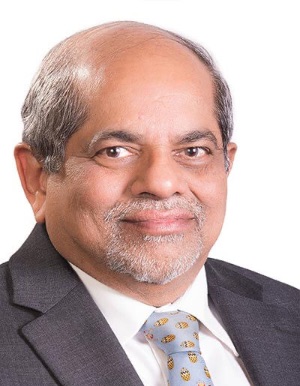
Founder and Ex-Chairman Mastek
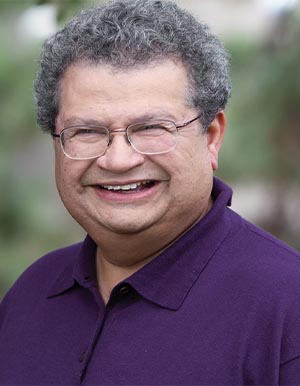
Atholl McBean Professor of Organisational Behavior and Human Resources, Stanford Graduate School of Business
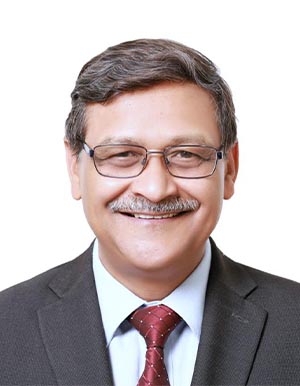
Director, IIMA
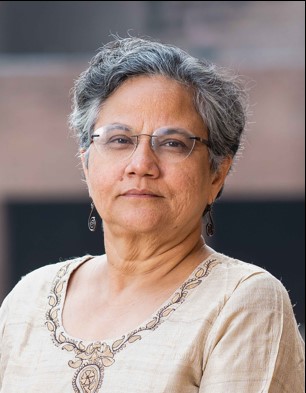
Chairperson ADCLOD
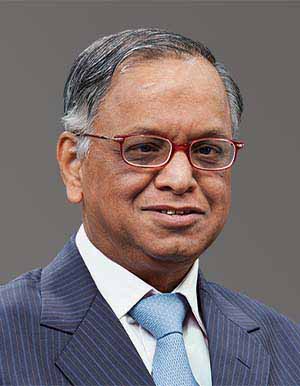
Founder and Ex-Chairman Infosys
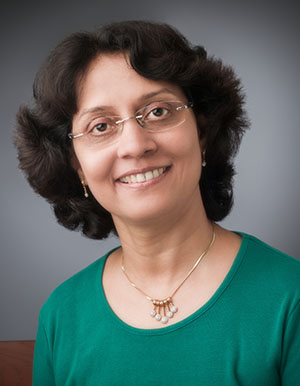
Author
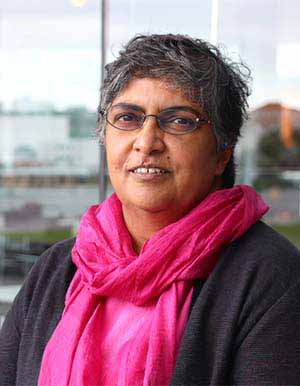
Professor of Management, Graduate School of Management, University of Auckland
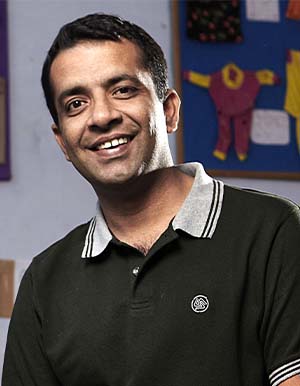
Founder Director, Goonj and Gram Swabhimaan
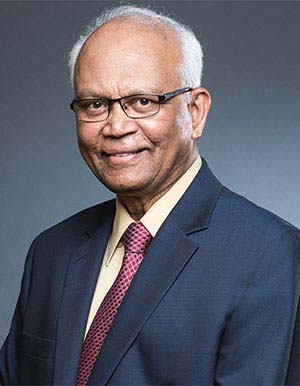
Former Director General, Council for Scientific and Industrial Research (CSIR)
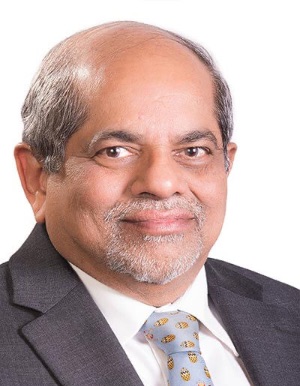
Founder and Ex-Chairman Mastek
Link: https://cases.iima.ac.in/index.php/loop-at-digital-green-journey-of-a-non-profit.html
Authors: Lokesh Garg, K V Gopakumar
Abstract:This case discusses the challenges faced by the CEO and senior leaders of the nonprofit organization, Digital Green, as they experimented with ideas which had vast commercial potential. Digital Green produced videos of best farming practices and shared these videos with small and marginal farmers to help them increase their yield. As the organization grew, it started a pilot project named LOOP, which used technology to provide end-to-end shared logistic services to the farmers which aggregated farmer produce from a village, delivered that produce to market, received payment from sales, and transferred it back to the farmers. This entire chain of transaction could be tracked by a smartphone application at the farmer’s end. As the LOOP project became successful and the various stakeholders came to terms with its tremendous financial potential, the co-founders and senior members at Digital Green needed to decide on an organizational model to tap into the potential of LOOP and, at the same time, to not disrupt the work at Digital Green. This case focuses on the organizational design options available to Digital Green, as a nonprofit, to pursue and scale the LOOP project. Nonprofit organizations in India have various limits as far as their engagement in commercial, revenue generating activities is concerned. The main questions the case tries to focus on are: What are the various options available to the CEO and senior members of Digital Green to pursue a project like LOOP which has commercial potential? And what are the limitations and challenges of each of these option which the leaders need to be aware of while making their decision?
Link: https://cases.iima.ac.in/index.php/mysore-saree-udyog-establishing-a-culture-of- professionalism-in-family-business.html
Author: Manoj Kumar
Abstract: Mysore Saree Udyog is an iconic, family-run retail store in Bangalore for sarees, fabric and other Indian traditional wear. The success of the store rests on the family’s merchandising skills and the delivery of a personalised in-store experience, both of which are difficult to replicate. The next generation of the family has a larger vision and does not want to be involved in day-to-day operations. The founders have concluded that the best way forward is to professionalise and expand geographically, but they are worried about the associated risks. The case offers insights into a structured approach for family businesses to build a professional culture and maximise enterprise value while minimising risks.
Link: https://cases.iima.ac.in/index.php/pramukh-swami-maharaj-shatabdi-mahotsav- event-scale.html
Author: Vishal Gupta, Manan Gandhi
Abstract: The case discusses the organisation – planning, construction, running and the winding-up – of the month-long Pramukh Swami Maharaj (PSM) Shatabdi Mahotsav (centenary festival) on a gigantic 600-acre site called the ‘Pramukh Swami Maharaj Nagar ’ held at the outskirts of Ahmedabad, Gujarat from December 15, 2022 to January 15, 2023. The case presents the details of the nagar, the BAPS, PSM, construction, and the overall event scale. The nagar was transformed into a cultural wonderland offering something to people from all backgrounds, religions, sections of society and across all age groups. It included of a 30 feet high idol of PSM, a 67 feet high replica of the BAPS Akshardham temple in New Delhi, a glow garden, a bal nagri (children’s city), a gigantic stage and open-air stadium to host light-and-sound show depicting various incidents from the life of PSM, multiple exhibition halls hosting live hosting live plays and movie shows on themes of various kinds, apart from 240 toilet blocks, 30 food courts and about 20 shops selling BAPS merchandise.
Link: https://cases.iima.ac.in/index.php/pramukh-swami-maharaj-shatabdi-mahotsav-service-orientation-people-management-and-leadership.html
Author: Gupta Vishal, Gandhi Manan
Abstract: The case presents details about how the organisation could inspire its volunteers to complete the project in time with minimal supervision and provide an amazing experience for the visitors. The PSM nagar was constructed within a span of 9 months (including the monsoon period in India from mid-June to September). It was built with the hard work and contributions of close to 80,000 volunteers who worked on the site as well as outside of it to manage the logistics and support needed for the festivities. Moreover, the entire land had been borrowed from close to 350 families (farmers, builders and private owners) who owned plots of different sizes in the 600-acre site. The event was a collective effort, and a lot of hard work and commitment was expended for its successful implementation. Mahant Swami Maharaj, the present head of BAPS and the committee of senior saints, wanted the centenary celebrations to inspire visitors as well as volunteers to work towards making leading a meaningful life, to spread the message of harmony and unity, to serve people and to overcome one’s limitations.
Link: https://cases.iima.ac.in/index.php/dr-vinayak-sahukar-s-tryst-with-leadership.html
Author: Panchamia Jallavi; Vohra Neharika; Sud Kashika; Iyer Veena; Bhakare Shilpa; Sharma Bharati; Patnaik Snigdha
Abstract: The case focuses on the multifaceted challenges faced by Dr Vinayak Sahukar, a newly promoted chief district medical officer at the Baranpur District Hospital, including navigating organisational politics, managing under-resourced operations, building a cohesive team and transitioning from a clinical to an administrative leadership role. Sahukar was a passionate surgeon; however, he had little experience as a leader. With almost no training to lead a hospital, he made many errors in the first 10 months of his tenure. He alienated key team members, had a debacle in the media and an important project that he had started was left languishing. His experiences highlight the struggles of new leaders in adapting to complex, ambiguous situations and balancing operational priorities with strategic leadership. The case sheds light on the pitfalls of inconsistent decision-making, leadership biases and misaligned priorities while offering a lens to explore actionable solutions through adaptive leadership principles.
Link: https://cases.iima.ac.in/index.php/vignettes-on-diversity-and-inclusion.html
Author: Vohra Neharika; Agarwal Upasna A; Bhayana Chayanika
Abstract: The vignettes reveal challenges associated with fostering diversity and inclusion within organisations. Biases, mindsets, stereotypes, prejudices and lack of knowledge on the challenges faced by diverse people may provoke feelings of exclusion, lack of self-worth, anger and sometimes frustration. The vignettes highlight the impact of unfairness and inequality on the recipient, source and bystander. They present experiences of exclusion based on gender, age, disability, language, body image and neurodiversity.
Link: https://cases.iima.ac.in/index.php/emotional-intelligence-caselets.html
Author: Vohra Neharika; Bhayana Chayanika
Abstract: The caselets help bring out challenges and opportunities around navigating emotionally-laden interpersonal and team situations in workplaces. When faced with situations that evoke negative emotions in oneself and others, leaders struggle to find an appropriate response, often resorting to behaviours that may prove to be counterproductive. The aim of the caselets, that cover a range of emotionally-charged situations, is to help participants learn ways of understanding the source, nature and impact of their own and others’ emotions, and equip themselves with skills to manage emotions constructively.
Link: https://cases.iima.ac.in/index.php/deepening-gender-diversity-and-inclusion-at-acg.html
Author: Arora Harnain Kaur; Vohra Neharika
Abstract: The case describes the diversity and inclusion (D&I) initiatives undertaken at ACG (Associated Capsules Group) a multinational pharmaceutical company, headquartered in Mumbai, India. A nuanced view of the simultaneous top-down and bottom-up organizational development (OD) approach was taken by the organization to inculcate D&I in everyday functioning of the organization. The case describes the process of change and the extent of activities undertaken by ACG to include more women in all functions and levels in the organization. The case also describes the struggle to measure deeper mindset changes and inclusion of women in a variety of organizational roles and contexts.

2025
Akhileshwar Pathak

2025
Rajesh Chandwani Vinita Sindhwani Satija Ranjan Kumar Ghosh

2025
Sundaravalli Narayanaswami

2025
Susan L. Verhulst David A. DeCenzo Promila Agarwal
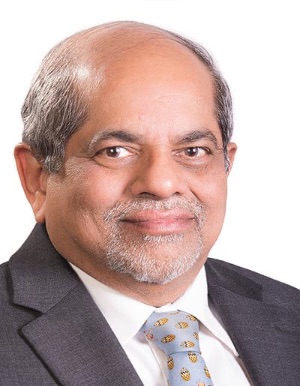
Mr Ashank Desai
Founder and Ex-Chairman Mastek
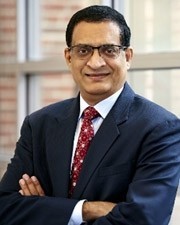
Dr. Raghu Krishnamoorthy
Senior Fellow and Director of the University of Pennsylvania’s Chief Learning Officer doctoral program

Prof. Bharat Bhasker
Director, IIMA
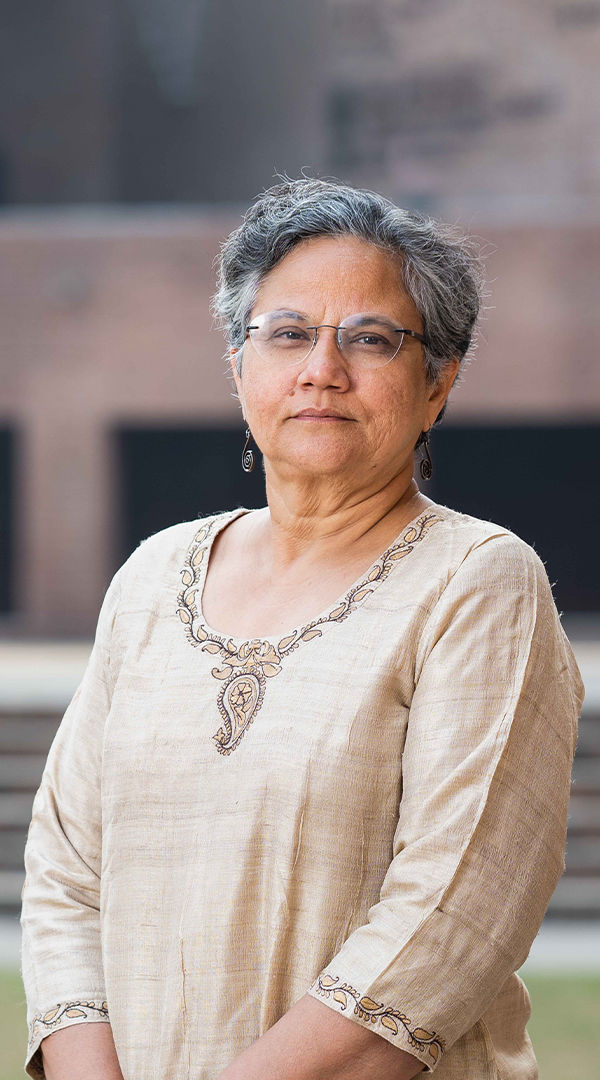
Prof Neharika Vohra
Chairperson ADCLOD
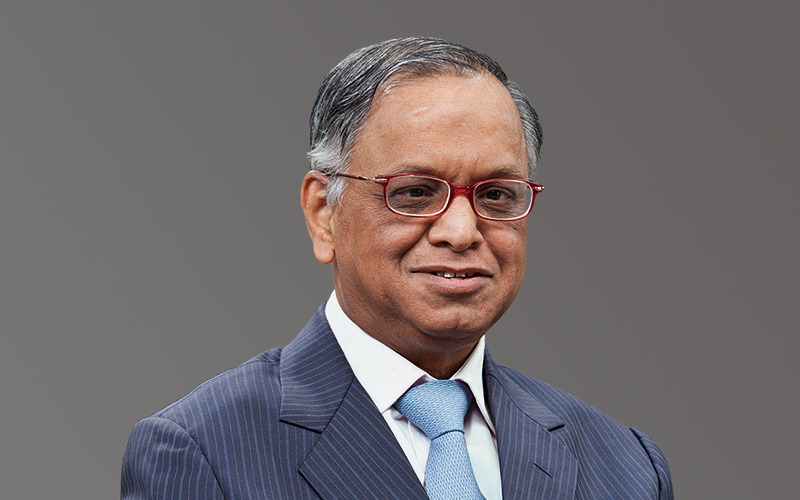
Mr N R Narayana Murthy
Founder and Ex-Chairman Infosys
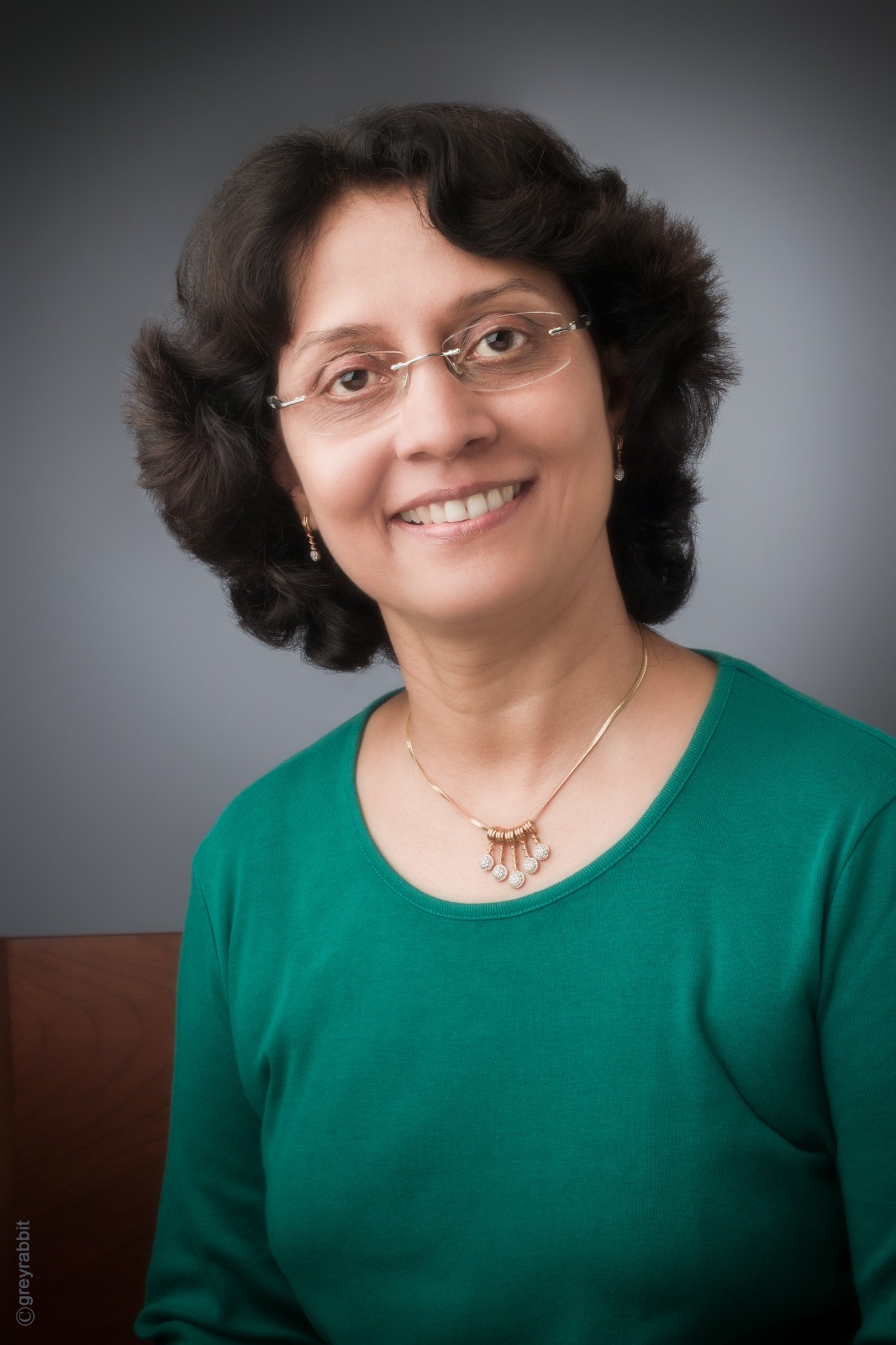
Ms Anita Bhogle
Author
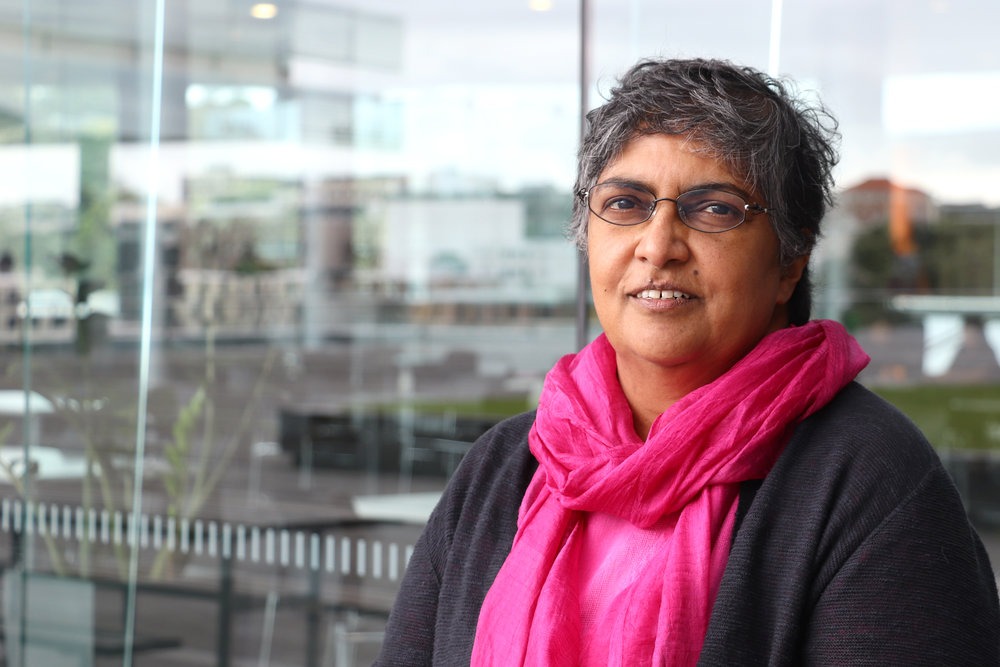
Prof Elizabeth George
Professor of Management, Graduate School of Management, University of Auckland
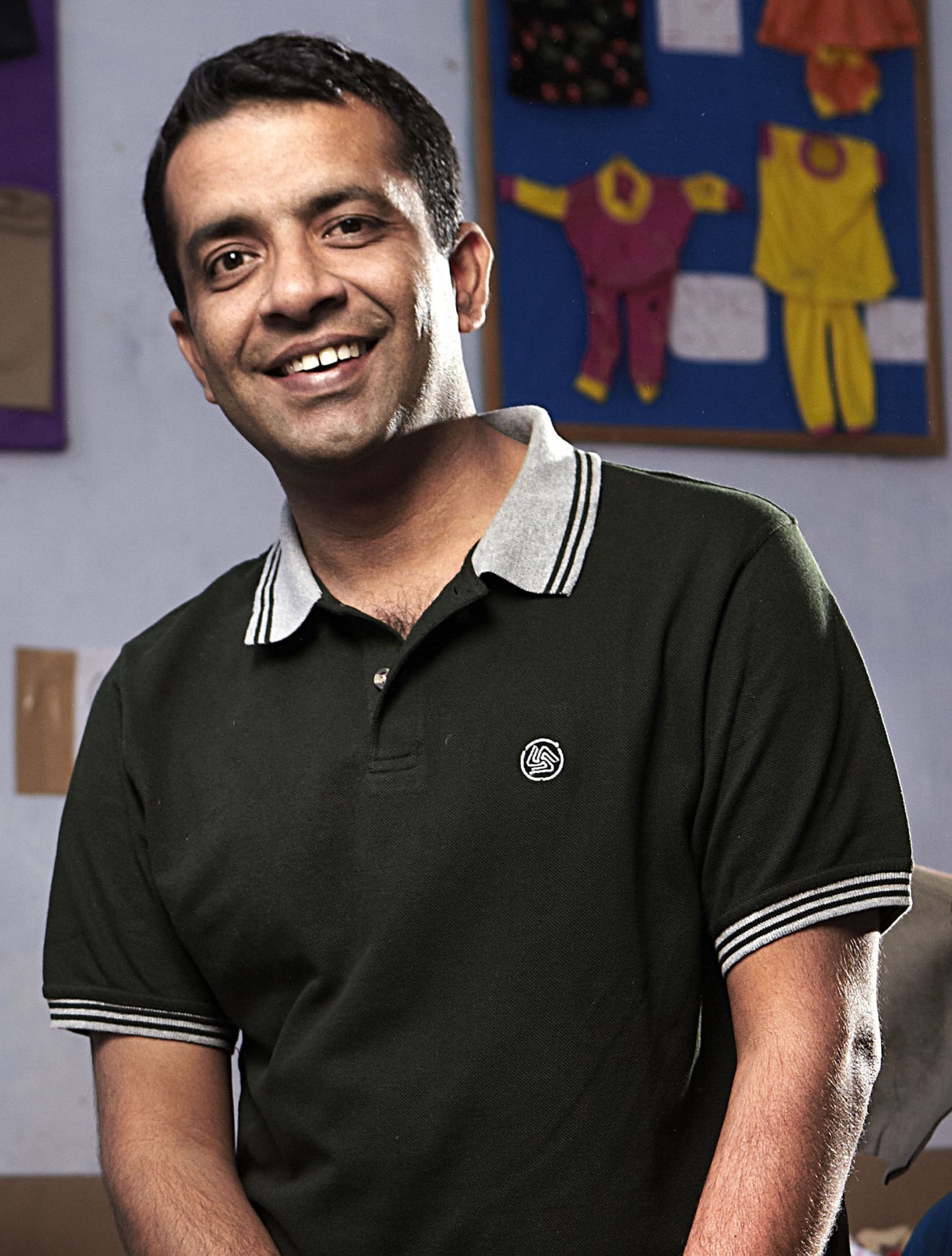
Mr Anshu Gupta
Founder Director, Goonj and Gram Swabhimaan
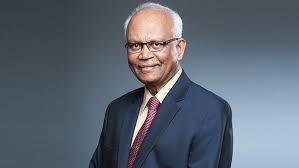
Dr R A Mashelkar
Former Director General, Council for Scientific and Industrial Research (CSIR)
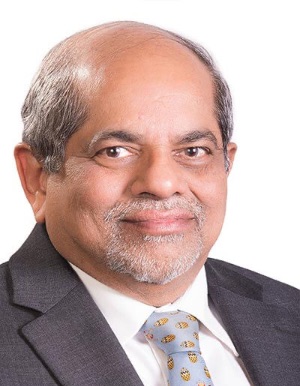
Mr Ashank Desai
Founder and Ex-Chairman Mastek
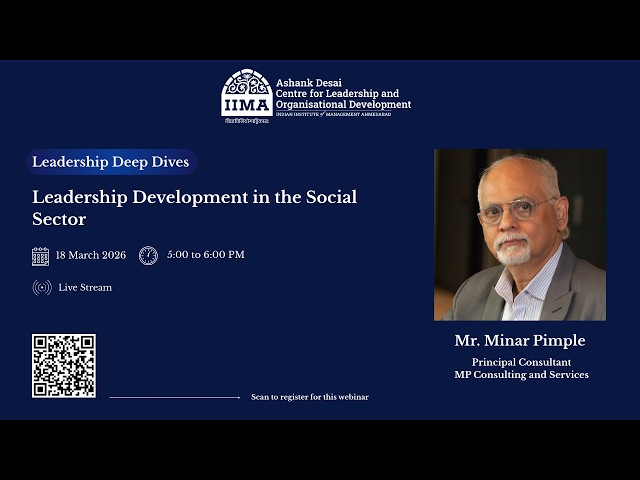
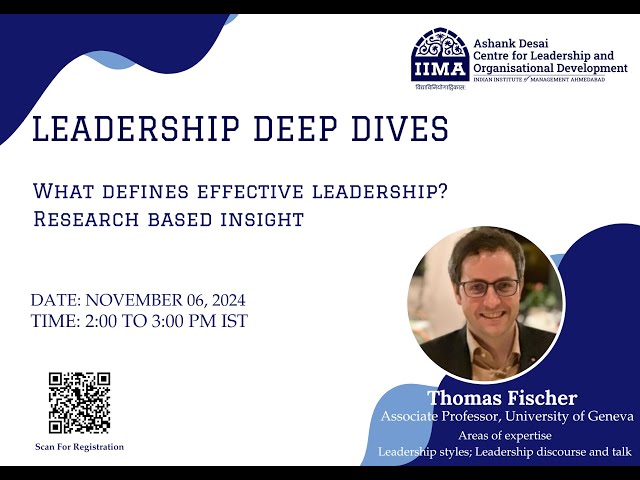
Event Recordings
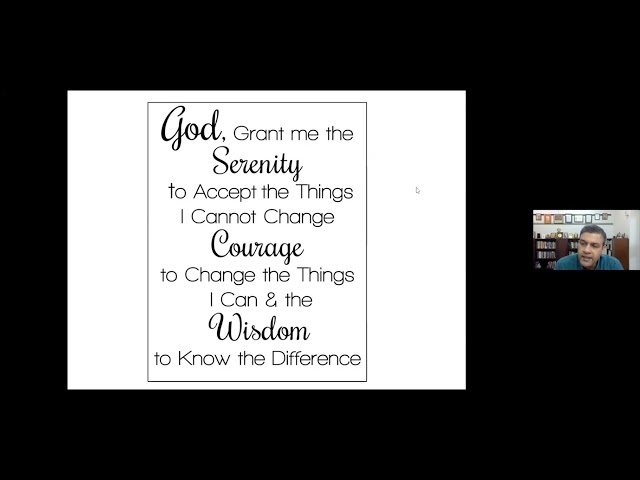
The following videos are part of an online Entrepreneurial Leadership Programme led by the Ashank Desai Centre for Leadership & Organisational Development - (ADCLOD) in collaboration with the Government of Sikkim.

Ms. Sukruti Phatak
Centre Manager

Ms. Pooja Patel
Research Assistant

Ms. Maitri Gohil
Research Assistant

Ms. Akanksha Thakore
Research Assistant

Mr. Hariprasad Varma
Research Assistant
Join the ADCLOD team
We are always interested in looking at CVs of qualified individuals who feel their skills could contribute to the valuable work we do here at the Ashank Desai Centre for Leadership & Organisational Development (ADCLOD), IIM Ahmedabad.
Send us your CV
If you feel you resonate with the Centre’s work, and would like to be considered, please send us a covering letter outlining your skills and a copy of your CV to ad-clod@iima.ac.in.
Ashank Desai Centre for Leadership and Organisational Development


2025
Akhileshwar Pathak
2025
Rajesh Chandwani Vinita Sindhwani Satija Ranjan Kumar Ghosh
2025
Sundaravalli Narayanaswami
2025
Susan L. Verhulst David A. DeCenzo Promila Agarwal